
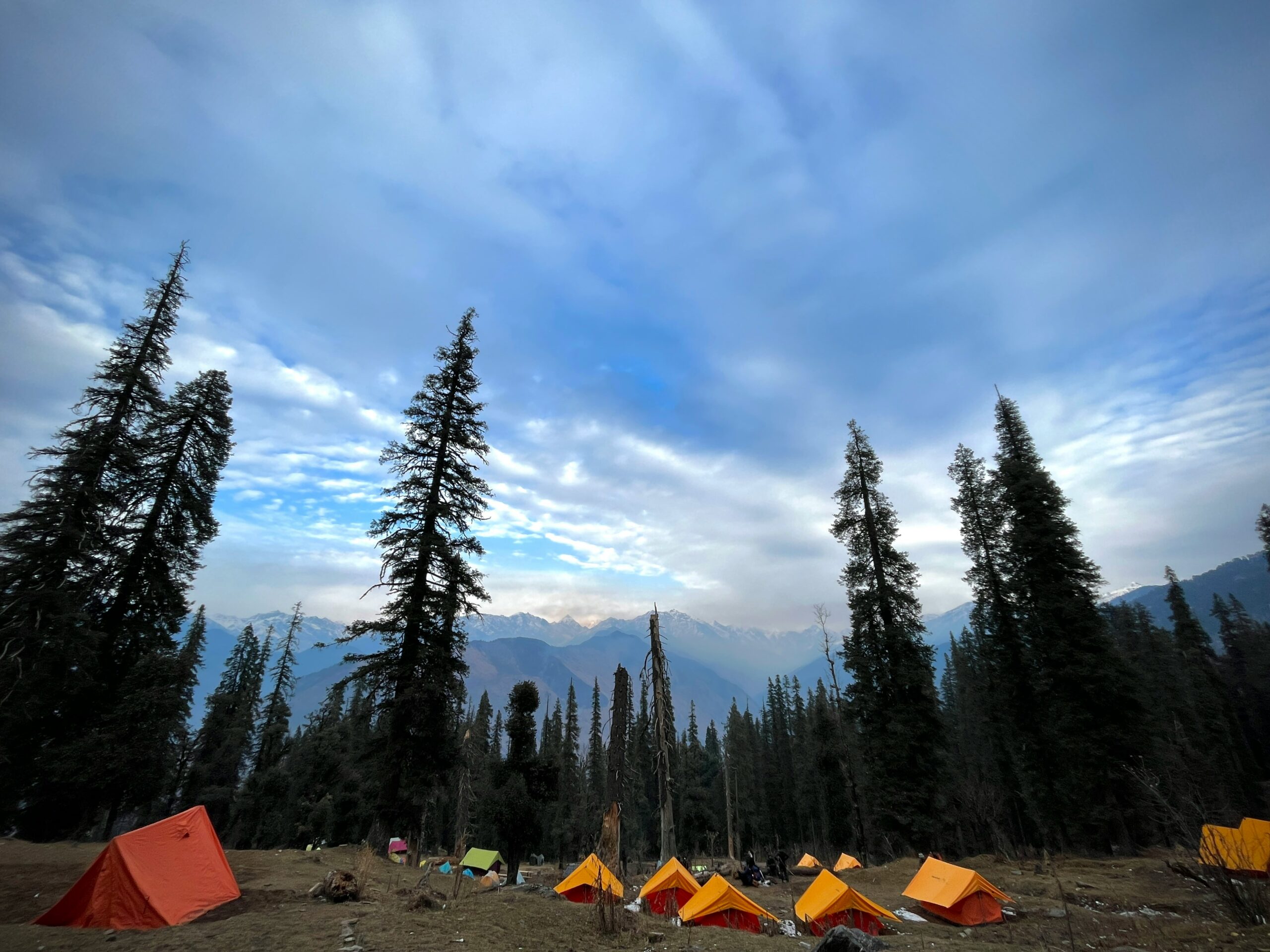
If you have only seen Nanga Parbat in photographs, you have seen a mountain. Standing at the basecamp, you understand that the photographs have been quietly lying to you about scale for years.
Getting to Fairy Meadows
The road to Fairy Meadows has a reputation, and it earns it. It is narrow, unpaved, carved into the side of a slope, and it is not interested in your comfort. Then the jeep stops and you walk the last stretch on foot, gaining height slowly, until the treeline opens.
What you get at the top is a meadow with the ninth highest mountain on earth sitting at the end of it like it was placed there deliberately. The first evening I did not do much except sit and look at it. That felt like the correct use of the time.
The walk to basecamp
Basecamp is a long day out from the meadows and back. It is not technical climbing, but altitude flattens people who arrive overconfident, and I saw a few of them turn around.
The trail crosses scree, thin bridges, and a glacier that groans while you walk near it. That sound is the thing I remember most. A mountain making a noise is a reminder that it is not scenery, it is a process, and you are standing inside it for the afternoon.
Musa ka Musalla
Musa ka Musalla gets less attention than the Nanga Parbat routes and I think that is a mistake. It is a hard, honest climb with a summit view across the Kaghan and Kohistan ranges that pays back every step.
It also taught me something the bigger names did not, which is that a trek does not need a famous name attached to be worth the effort. Some of the best days I have had in the mountains were on trails nobody was posting about.
What I would tell a first timer
- Give yourself an extra day for altitude, not an extra hour
- Break your boots in at home, not on the trail
- Carry more water than feels reasonable
- Hire local guides, they know the weather better than any forecast
The mountains in the north are not a bucket list item you tick and move past. Ten years on, they are still the standard I measure other places against.